Building on pumice and geothermal ground in Rotorua
By Sofia Moreau, Editorial Director · Updated 2026-11-02
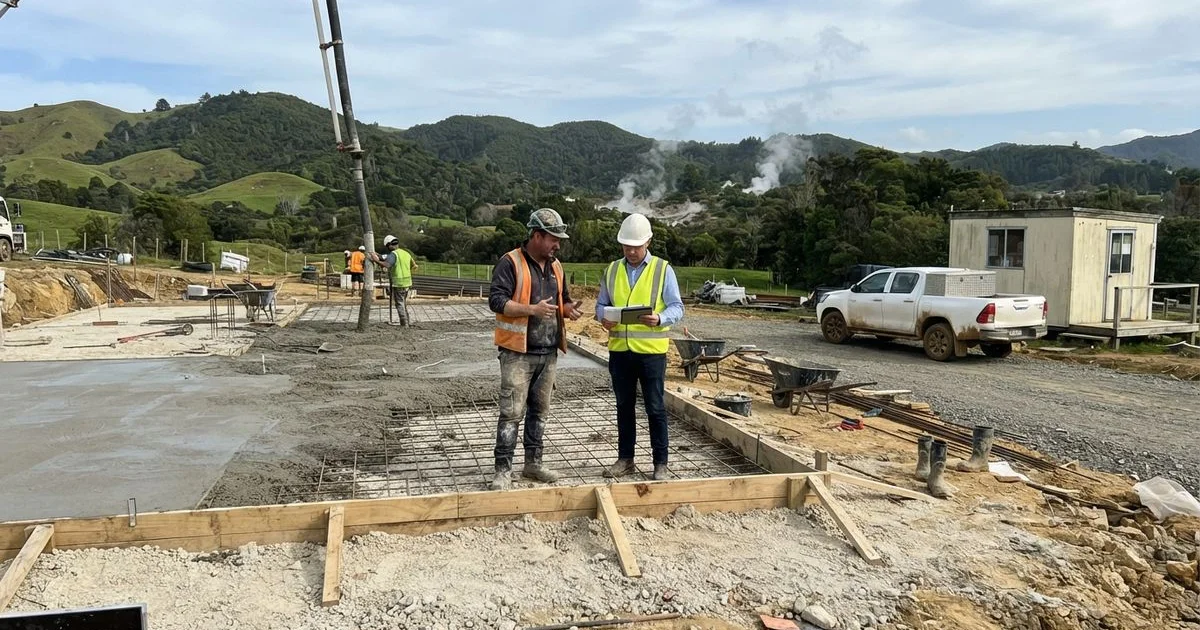
Rotorua sits on volcanic ground, and that shapes how houses are built here. The ground under your section can change the foundation, the cost and sometimes whether a design works at all. This is general information, not engineering advice.
Why ground matters
Pumice soils can behave differently from clay or rock. Areas with geothermal activity add heat, gases or unstable ground in some spots. A designer or engineer needs to know what is under the site before choosing a foundation.
What gets checked
| Check | What it tells you |
|---|---|
| Geotechnical report | Soil type, bearing capacity, recommended foundation |
| Council property file | Known hazards, previous reports, restrictions |
| Survey | Boundaries, levels, slope |
| Services location | Where water, power and drainage connect |
Ask the council what it holds on a section before you buy.
How ground affects the build
Foundation type is the main change. Slab-on-grade, timber piles and other systems each suit different soils. The report recommends one, the engineer designs it, and the price follows. Slope, drainage and retaining add more.
Buying a section
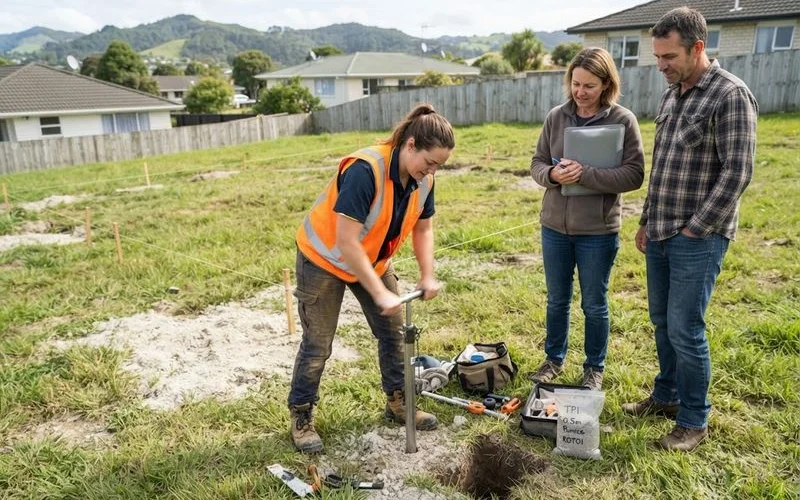
Put investigation before commitment where you can. Conditions in a sale agreement that allow a geotechnical check give you an exit if the result is poor. Talk to a lawyer about wording.
Questions for builders
- What have you assumed about the ground in your price?
- Who commissions and pays for the geotechnical report?
- How will you price a different foundation if the report calls for one?
- Have you built on similar ground nearby?
Quotes that assume good ground are common, and they are the ones most likely to change. Local experience helps, and you can see who builds new homes locally in the new home builders listings. How the directory scores them is on the methodology page, and the home page lists every category.
Plan for it
Add a line to your budget for site investigation and a possible foundation upgrade. If it is not needed, that is a good surprise, not a wasted one. The new home build cost guide shows how the foundation fits into the wider price.
Reading the report
A geotechnical report is written for engineers, but you can read the summary. Look for the recommended foundation type, any stated limits on the design, and anything flagged as needing further investigation. If the report mentions geothermal features, ask the council whether special conditions apply to the section. Keep the report with your build documents, because it is often asked for at consent and again when you sell.
What it does to the timeline
Site investigation adds weeks before design is final. Drilling or test pits, report writing and engineer review happen in sequence, and each depends on someone’s calendar. Start early so it does not hold up consent. Weather can also delay earthworks and foundations on soft ground, so build some slack into the programme rather than promising a move-in date.
FAQ
- Do I always need a geotechnical report?
- Not always, but councils and designers may require one where ground conditions are uncertain. Ask before you buy or finalise a design.
- Can I build near geothermal activity?
- Sometimes, with extra investigation and design. Rules and conditions vary by location, so check with the council and a geotechnical professional.
- Does ground type change the foundation?
- Yes. Soil conditions influence whether a slab, piles or another system suits the site.
- Should I check the ground before buying a section?
- It is worth asking about site conditions before settling. Buying first and investigating later can leave you with costs you did not budget for.