Renovation costs in Bay of Plenty: what changes the price
By Sofia Moreau, Editorial Director · Updated 2026-10-14

Renovations are harder to price than new builds because the starting point is an existing house with its own history. This guide explains where the price moves and what to plan for. It is general information, not financial advice.
Where the money goes
| Work type | Why it costs more or less |
|---|---|
| Cosmetic updates (paint, flooring) | Mostly materials and labour, few unknowns |
| Kitchens and bathrooms | Plumbing, electrical, waterproofing, tiling and joinery in a small space |
| Removing or moving walls | May need structural design and consent |
| Extensions | Foundations, framing, weathertightness and tying into the old house |
| Weathertightness repairs | Scope depends on what is found once cladding is off |
The unknowns behind the walls
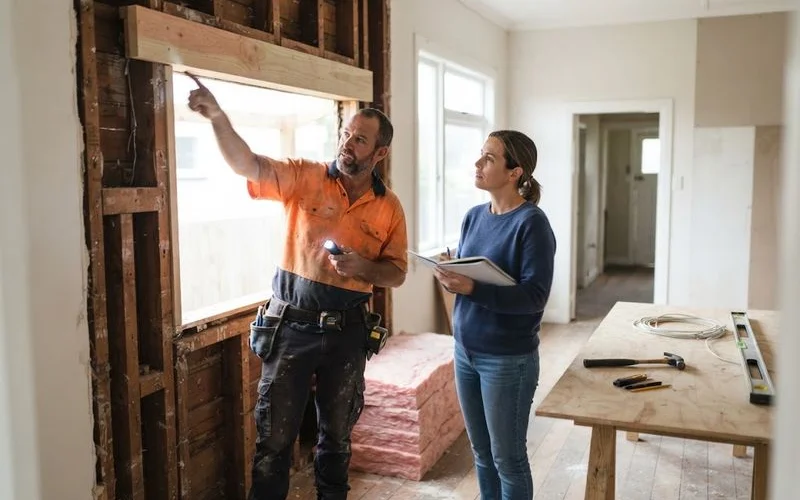
Houses of different eras hide different things. Older homes may have outdated wiring or no insulation. Some homes with certain cladding systems can have moisture damage that only shows once lining is removed. Ask your builder what they have assumed, and how discovered problems will be priced. A written process for variations protects both of you. If you plan to stay in the house during the work, the guide to living at home during a renovation covers what to arrange first.
Consent and compliance
Some renovation work needs building consent and some falls under the Schedule 1 exemptions. Structural changes, new bathrooms with plumbing changes and extensions commonly need consent, while minor repairs may not. Restricted building work must be done or supervised by a licensed building practitioner. Your builder should tell you which parts of the job need consent, and the council is the final word.
Choosing scope to control cost
- Keep plumbing where it is. Moving a bathroom or kitchen adds pipework and drainage.
- Decide finishes before work starts. Late changes cost more than early ones.
- Bundle jobs when you can. One builder doing an extension and interior work together may avoid repeated set-up and make-good work.
- Separate want from need. Fix weathertightness and structure first, finishes last.
Contingency
Plan a reserve on top of the quote. The right amount depends on the house, and your builder can advise after seeing it. Do not count the reserve as spendable. If you do not use it, good.
Finding and checking builders
The renovation builders in the directory are listed with their review signals. Reviewers often mention clear communication and care over detail, which matters more on a renovation than on a clean-slate build. The methodology page explains how scores work, and the home page covers every category.
Questions for the first visit
Ask what they expect to find, what they will do if they find it, how changes are priced, and who will be on site. A builder who answers plainly is usually easier to work with once the walls are open.
Staging the work
If the full scope is beyond your budget, stage it. Do structure, weathertightness and services first, then finishes as money allows. Make sure the first stage leaves the house in good shape if the second is delayed, and ask your builder to price the stages separately. Staged work may cost somewhat more overall because of repeated set-up, but it can keep the project affordable.
Comparing like for like
Renovation quotes are especially hard to compare because each builder may assume something different about what is behind the walls. Ask each one to list its assumptions and provisional sums, and compare those lists as carefully as the totals.
FAQ
- Why are renovation quotes less certain than new build quotes?
- Builders cannot see inside walls and floors until work starts. Hidden rot, old wiring or unexpected framing can change the scope.
- Do bathrooms and kitchens cost more than other rooms?
- Per square metre, usually yes, because they involve plumbing, waterproofing, tiling and fitted joinery.
- How much contingency should I allow?
- Many owners hold back a meaningful reserve on top of the quote. Ask your builder what they would suggest for a house of your age and condition.
- Do I need consent for a renovation?
- Some work does and some does not. Structural changes and most plumbing and drainage changes usually do. Check with the council before you start.